SUZUKI 14140-88000 Engine Exhaust Gasket
fits make: Suzuki.
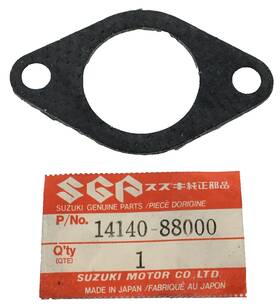
( Manufacturer Part Number: 14140-88000 ), ( Part Type: Gasket Engine Exhaust ), ( Country Of Origin: Japan )
Review SUZUKI Genuine Oem Snowmobile Engine Exhaust Gasket
The **Suzuki 14140-88000 Engine Exhaust Gasket** is a precision-engineered component designed to ensure a reliable and leak-free seal between the cylinder head and the engine block in Suzuki vehicles equipped with this specific part number. Crafted from high-quality, heat-resistant materials, this gasket is engineered to withstand the extreme temperatures and pressures generated during engine operation, providing long-lasting durability and optimal performance. The gasket features a multi-layered construction, incorporating reinforced steel and specialized elastomeric compounds that enhance its resistance to warping, cracking, and oil or coolant leakage common issues that can compromise engine efficiency and lead to costly repairs if left unaddressed. Ideal for applications in vehicles such as the Suzuki Swift, Alto, or other models utilizing the K-series engine, this gasket is meticulously designed to fit snugly within the engine bay, ensuring a tight seal that prevents exhaust gases from escaping into the cooling system or intake manifold. Proper installation of this gasket is critical, as it not only maintains engine integrity but also contributes to fuel efficiency and reduced emissions by preventing backpressure and ensuring smooth airflow. Whether replacing a worn-out gasket due to age, overheating, or mechanical stress, this Suzuki-specific part is a dependable solution for restoring engine performance and preventing further damage. Always follow manufacturer guidelines or consult a professional mechanic to ensure correct installation and avoid potential issues.
The **Suzuki 14140-88000 engine exhaust gasket** is a critical component for maintaining proper engine function, particularly in older Suzuki models like the GSX-R750, DR650, or other air-cooled engines. Below is a detailed breakdown of its pros and cons, followed by a conclusion and recommendation.
---
### **Pros of buying a Suzuki 14140-88000 Exhaust Gasket**
1. **Prevents Engine Damage**
The primary function of an exhaust gasket is to seal the exhaust manifold to the cylinder head, preventing blow-by gases (combustion gases escaping past the piston rings) from entering the exhaust system. A failing gasket can lead to overheating, loss of compression, and long-term engine damage. Replacing it ensures proper sealing and maintains engine integrity.
2. **Restores Performance**
A worn or leaking exhaust gasket can cause a loss of vacuum, leading to poor throttle response, reduced power, and inefficient fuel combustion. Replacing it restores optimal engine performance, especially in high-revving or performance-oriented bikes.
3. **Prevents Oil Contamination**
Exhaust gaskets also help prevent oil from leaking into the exhaust system, which can cause carbon buildup in the catalytic converter (if equipped) or clogging in the muffler. This keeps the exhaust system clean and functional.
4. **Extends Engine Lifespan**
By maintaining proper sealing and preventing heat transfer issues, a new gasket reduces wear on critical components like the head gasket, cylinder head, and exhaust ports. This can significantly extend the engine s lifespan, especially in high-mileage or heavily used bikes.
5. **Easy to Install (Relative to Other Gaskets)**
Compared to head gaskets or intake gaskets, exhaust gaskets are often simpler to replace. They typically require removing the exhaust manifold (which may involve disconnecting the muffler and heat shields) but do not usually require cylinder head removal. This makes it a more accessible DIY repair for intermediate mechanics.
6. **Cost-Effective Compared to Engine Replacement**
Replacing an exhaust gasket is a relatively inexpensive repair (typically $20 $60 for the gasket alone, plus labor if not DIY). Failing to replace it can lead to far more costly repairs, such as a blown head gasket, warped cylinder head, or even a complete engine rebuild.
7. **Available from Reputable Manufacturers**
Suzuki s OEM gasket (or high-quality aftermarket equivalents like Fel-Pro, AAR, or Gasket Shop) is designed to meet the specific requirements of Suzuki engines. Using a genuine or trusted aftermarket part ensures a proper fit and reliable sealing.
8. **Prevents Exhaust Leaks and Noise**
A failing exhaust gasket can cause hissing noises from the exhaust system or visible leaks of exhaust gases. Replacing it eliminates these issues, improving both the bike s sound and efficiency.
---
### **Cons of buying a Suzuki 14140-88000 Exhaust Gasket**
1. **Potential for Improper Installation**
If not installed correctly, the gasket may not seal properly, leading to the same issues it was meant to fix. This requires careful alignment of the exhaust manifold and cylinder head, as well as proper torque specifications. Over-tightening can warp the head or crack the manifold, while under-tightening can cause leaks.
2. **Time-Consuming Removal and Reinstallation**
Replacing the gasket involves removing the exhaust manifold, which may require disconnecting the muffler, heat shields, and sometimes the throttle body or wiring harness. This can be labor-intensive, especially in bikes with tight engine bay layouts or rusted bolts.
3. **Risk of Damaging Adjacent Components**
During removal, there is a chance of damaging the exhaust manifold studs, cylinder head bolts, or even the head itself if excessive force is applied. Some older Suzuki engines have brittle or corroded components that may crack under pressure.
4. **Cost of Additional Parts or Labor**
If the gasket replacement reveals other issues (e.g., cracked manifold, warped head, or seized bolts), additional repairs may be required. In some cases, the exhaust manifold or head may need replacement, increasing the overall cost.
5. **Limited Lifespan of the Gasket**
While the gasket itself is inexpensive, it may not last indefinitely, especially in high-mileage or aggressive riding conditions. Over time, heat and vibration can cause it to degrade, requiring future replacements.
6. **Potential for Aftermarket Gasket Quality Issues**
While many aftermarket gaskets are high-quality, some cheaper alternatives may fail prematurely or not seal as effectively as OEM parts. This can lead to frustration if the gasket leaks shortly after installation.
7. **Compatibility Concerns**
The **14140-88000** gasket is specific to certain Suzuki models (e.g., GSX-R750, DR650, or other air-cooled engines from the late 1990s to early 2000s). Using the wrong gasket (e.g., one for a water-cooled engine) can cause leaks or improper sealing. Always verify compatibility before purchasing.
8. **DIY Difficulty for Beginners**
While the job is manageable for intermediate mechanics, beginners may find it challenging due to the need for precision in alignment and torque specifications. Improper installation can lead to recurring issues.
---
### **Conclusion**
The **Suzuki 14140-88000 exhaust gasket** is a crucial but often overlooked maintenance item. Its replacement is a **proactive measure** that prevents costly engine damage, restores performance, and extends the life of the bike. The benefits such as improved sealing, reduced risk of overheating, and restored power far outweigh the minor drawbacks, which are largely mitigated by careful installation and using high-quality parts.
The main risks (improper installation, additional damage during removal, or aftermarket quality issues) can be minimized by:- Following the manufacturer s torque specifications.
- Using a reputable aftermarket gasket if OEM is unavailable.
- Taking your time during installation to ensure proper alignment.
- Consulting a mechanic if unsure about the process.
For most Suzuki owners, replacing this gasket is a **worthwhile investment** that pays off in the long run by avoiding far more expensive repairs.
---
### **Recommendation**
1. **Purchase the Gasket:**- **OEM (Suzuki 14140-88000):** The best option for a perfect fit and reliability, though slightly more expensive.
- **Aftermarket Alternatives:** Fel-Pro, AAR, or Gasket Shop are trusted brands that offer comparable quality. Avoid no-name or extremely cheap gaskets to ensure longevity.
2. **Prepare for Installation:**- Gather tools: socket set, torque wrench, gasket scraper, new bolts (if rusted), and penetrating oil for stubborn bolts.
- Have heat shields and muffler connections ready for removal.
- Check for additional wear (e.g., cracked manifold, warped head) before installing the new gasket.
3. **DIY or Professional Installation?**
- **DIY:** If you have mechanical experience and patience, this is a manageable job. Take your time to avoid mistakes.
- **Professional:** If you re unsure or the bike is high-value, a mechanic can ensure proper installation and catch any hidden issues.
4. **Post-Installation Checks:**- After reinstalling, check for leaks around the gasket by running the engine and listening for hissing sounds.
- Monitor for unusual noises or performance issues in the first few rides.
- Consider replacing the gasket every **50,000 70,000 miles** or if symptoms of failure (leaks, loss of power, overheating) appear earlier.
**Final Verdict:** Replace the **Suzuki 14140-88000 exhaust gasket** as soon as symptoms of failure are detected or during routine maintenance. The cost is minimal compared to the potential damage it prevents, and the process is well within reach for most enthusiasts with basic mechanical skills.
Details:
part #: 1414088000 prices
- $9.99-$19.99
specifications exhaustsnowmobilee:
- for makes: Suzuki
- mpn: 14140-88000
- part type: Gasket Engine Exhaust
- country of origin: Japan
general exhaustsnowmobilee:
- condition: New other see details
- Parts Accessories > Snowmobile Parts > Exhaust
offer exhaustsnowmobilee:
- sold: 0
- availability: In Stock
- started: May 5, 2026
- quantity: 3
- options: Ship-to-home
returns exhaustsnowmobilee:
- time: 30 Days
- paid by: Seller
- policy: Returns Accepted
payments exhaustsnowmobilee:
- wallet: Google-pay
- credit card: Diners-club
- other
seller exhaustsnowmobilee:
- rating: 99.9%
- city: Hinckley, Minnesota
- # reviews: 15264
shipping exhaustsnowmobilee:
- service: USPS Ground Advantage, USPS Priority Mail, USPS Priority Mail Express
- carrier: USPS
- type: Calculated
- cost: $8.30
- class: Standard, Expedited
- transit: 2-6 Days
Suzuki 14140-88000 Is Similar To:
- 0612-665 Suzuki Arctic Cat Oem (25.8% similar) Note: if there is an application guide posted above, it just that, a guide, not all inclusive list. This is in good used condition and shows normal signs of wear use that should be expected on a part, but ready to bolt. Machines listed above can use alternate parts on model's stated depending build ...(November 22nd, 2017)
- 14140-97000 Suzuki Nos Genuine Snowmobile (50% similar) New genuine exhaust manifold gasket qty: 1PART NUMBER:14140-97000FITS: suzuki SM10SUZUKI SM20 may fit others...(October 26th, 2017)
- 14181-97340 Suzuki Nos Genuine Snowmobile (50% similar) New genuine exhaust gasket qty: 1PART NUMBER:14181-97340FITS: SM11SM21SM30SM40 may fit others...(October 31st, 2017)
- 14301-97710 Suzuki Snowmobile Muffler Vintage Nos (41.1% similar) By 1983 was listed as Nola. New-old-stock vintage part snowmobile muffler suzuki number approximate sizes long x wide note: listed in 1978 price list as: hop up...(March 30th, 2019)
- 14771-92301 Suzuki Sm Snowmobile Exhaust Pipe Seal Nos (49.6% similar) Part number absolutely no disappointments. Suzuki Sm snowmobile exhaust pipe seal nos...(March 19th, 2019)
- 823156 Winderosa Exhaust Gasket Kit Suzuki (40% similar) Expedited shipping via USPS priority mail with delivery confirmation is available. This occasionally happens, and is rare. Product features: coming soon. Coming soon...(July 12th, 2018)
- Ltf 250 4wd Quadrunner Mbrp Suzuki Muffler Exhaust (31.9% similar) Electrical parts are not returnable. Shipping times will vary depending on the country item is being shipped...(August 5th, 2018)
- 14110-97301 Suzuki Vintage Snowmobile Sm40k Xr440 Exhaust Manifold Nos (49.6% similar) Fits suzuki SM40K XR440 1973 snowmobile no longer available from suzuki. Nos suzuki exhaust manifold...(February 24th, 2016)
- Arctic Cat 3003-503 Oem Suzuki Snowmobile Exhaust Gasket P n (52% similar) Oem arctic cat suzuki snowmobile exhaust gasket, p/n 3003-503. Shipped with USPS ground advantage. Condition is new...(September 16th, 2024)
- Suzuki 0712-247 1998 Arctic Cat Zl500 Exhaust Manifold (37.6% similar) Part #: suzuki 0712-247 for sale...(May 29th, 2025)
- Suzuki 3007-741 Arctic Cat Snowmobile Gasket Exhaust (57.4% similar) 2013 sno pro 600 cross country. 1999 2003 ZR5 ZR6 ZR8 and Z440. 2012 sno pro 600. 2016 Zr 6000 r SC...(September 23rd, 2025)